When Is High Blood Pressure an Emergency? (What to Do—Step by Step)
Dec 31, 2025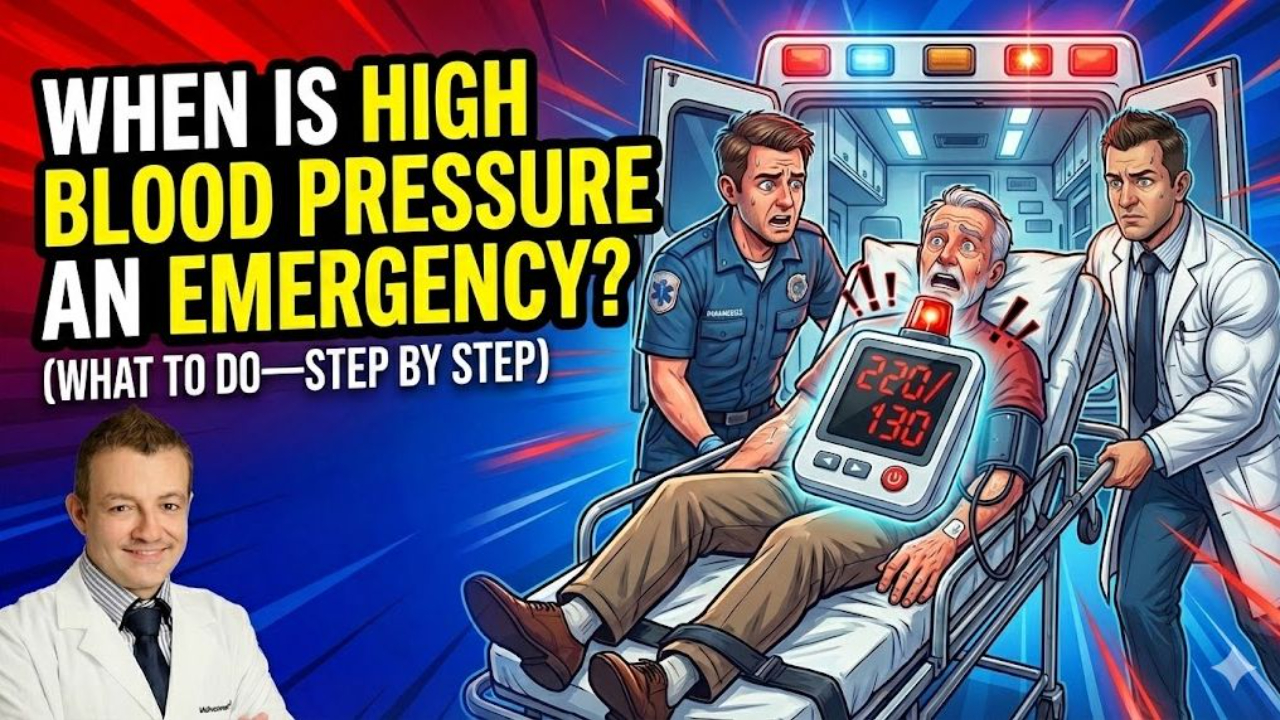
Hypertensive Crisis: When High Blood Pressure is a Medical Emergency
Your blood pressure reading suddenly shoots up to 180/120 or higher. Your heart is pounding. You feel dizzy. You're checking the number again and again, wondering if you need to go to the ER.
Or maybe you get the same high reading but feel completely fine, which makes you wonder: Do I really need to go to the hospital, or is this a false alarm?
Here's what I tell patients in this situation: A very high blood pressure reading is alarming, but the number alone doesn't determine whether you need emergency care. What matters is whether your organs are being damaged right now.
In this article, I'll walk you through how to recognize a true hypertensive crisis, what to do in the moment, and when calling 911 is the right choice versus when urgent outpatient care is enough.
Key takeaways
- A hypertensive crisis is typically a blood pressure above 180/120.
- If you have crisis-level BP with symptoms like chest pain, shortness of breath, or neurologic changes, call 911.
- If you have crisis-level BP without symptoms, recheck correctly and contact your clinician urgently for guidance.
- A single high reading during stress or after a trigger is not necessarily a hypertensive crisis.
- Your baseline matters more than a single outlier reading.
What exactly is a hypertensive crisis?
A hypertensive crisis is defined by two key elements:
1) Blood pressure threshold: Systolic pressure above 180 and/or diastolic pressure above 120.
2) Organ involvement or symptoms: Clinicians divide crises into two categories, and this matters for your treatment.
Infographic Summary:
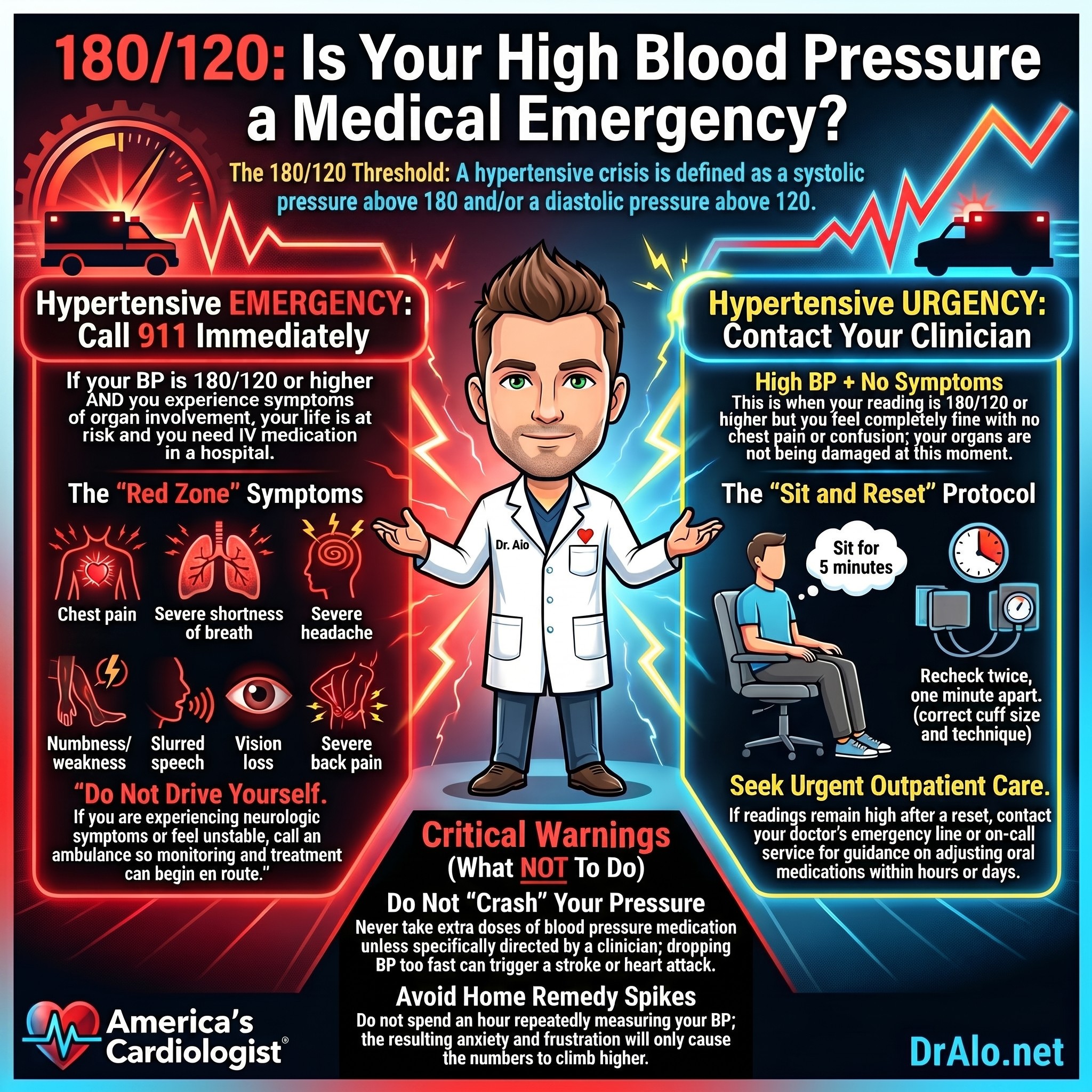
Hypertensive Emergency vs. Hypertensive Urgency: What's the difference?
Hypertensive Emergency (requires immediate ER care)
This is when your blood pressure is critically elevated and your organs are being damaged right now. Evidence of damage includes:
- Chest pain or pressure (possible heart attack)
- Severe shortness of breath (possible heart failure)
- Severe headache with confusion or altered mental status (possible stroke or brain swelling)
- Weakness, numbness, facial droop, or slurred speech (possible stroke)
- Vision changes or loss of vision (possible retinal damage or stroke)
- Severe back pain (possible aortic emergency)
- Kidney pain or decreased urine output (possible kidney damage)
A hypertensive emergency is a medical crisis. Your organs need immediate treatment to prevent permanent damage. You need IV medications and intensive monitoring, which is why the ER is the right place.
Hypertensive Urgency (requires urgent outpatient care, not ER)
This is when your blood pressure is critically elevated but you have no symptoms of organ damage. You feel fine. Your neurologic exam is normal. You have no chest pain or shortness of breath.
Hypertensive urgency still needs prompt medical attention and treatment within hours to days, but it's usually managed with urgent outpatient appointments, oral medications, and close follow-up rather than IV medications in the ER.
The key difference: With urgency, your organs are not being damaged at this moment. With emergency, they are.
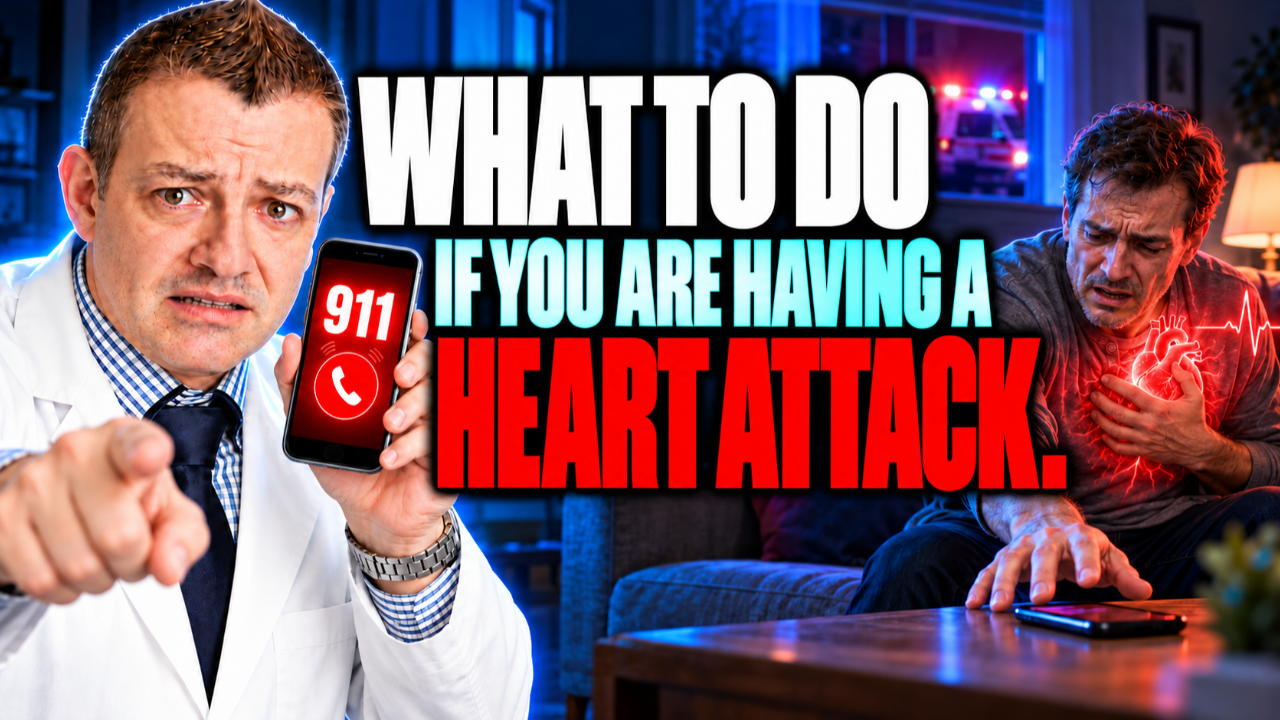
Call 911 if you have high BP with any of these symptoms
If your blood pressure is around or above 180/120 AND you have any of these:
- Chest pain or chest pressure
- Shortness of breath
- Severe headache, especially with confusion or difficulty thinking clearly
- Weakness, numbness, or facial droop on one side
- Difficulty speaking or slurred speech
- Vision changes, blurred vision, or loss of vision
- Severe back pain
- Nausea and vomiting
Do not drive yourself to the ER if you're experiencing neurologic symptoms or feel unstable. Call 911. The ambulance can monitor you and start treatment on the way.
What to do if you see a very high reading but feel completely fine
High readings without symptoms are more common than you'd think. Here's the exact protocol:
Step 1: Sit and reset for 5 minutes
- Feet flat on the floor
- Back supported by a chair
- Arm supported at heart level
- No talking
- Slow, calm breathing
Step 2: Recheck with correct technique
Take two readings, 1 minute apart. Use the same monitor you've been using. Make sure your cuff is the correct size for your arm.
Step 3: Evaluate the context
Ask yourself:
- Is this the first time I've ever seen a number this high?
- Did I just drink coffee, smoke, or use a decongestant?
- Did I just finish exercising or experience extreme stress?
- Have I been taking my blood pressure medication regularly?
- Could I be sick (fever, infection) or in pain?
A spike after a clear trigger (coffee, stress, exercise) that comes down with rest is different from a sustained elevation across multiple readings.
Step 4: Contact your clinician urgently
If readings remain above 180/120 after proper recheck:
Call your primary care doctor's emergency line or on-call service. Tell them your readings and that you have no symptoms. They will guide you on whether to go to urgent care or the ER, or whether to adjust your medications and recheck at home.
Do not take extra doses of medication unless your clinician specifically tells you to. Do not try to "crash" your blood pressure quickly. That can cause stroke or heart attack.
What NOT to do in a hypertensive crisis
- Do not take double or extra doses of blood pressure medication to try to bring it down faster.
- Do not try home remedies or supplements to lower it quickly.
- Do not spend an hour repeatedly measuring and re-measuring. Anxiety and frustration will raise it further.
- Do not drive yourself to the ER if you're experiencing neurologic symptoms or feel unsafe. Call 911.
- Do not ignore symptoms like chest pain or shortness of breath while waiting to see if your BP comes down.
Why symptoms matter more than the number
A blood pressure reading of 180/120 is alarming. But a 180/120 reading in someone who feels fine, with no chest pain, no neurologic symptoms, and a normal exam is very different from the same reading in someone experiencing acute symptoms.
Here's why symptoms matter: High blood pressure damages organs over time and can cause acute damage during a crisis. Acute damage shows up as:
- Stroke (brain damage from bleeding or clot)
- Heart attack (coronary artery damage)
- Heart failure (acute fluid backup in the lungs)
- Aortic dissection (tear in the major artery leaving the heart)
- Kidney damage (loss of kidney function)
- Retinal damage (loss of vision)
Symptoms help us detect these acute events. But not everyone has obvious symptoms, especially early on. This is why a very high reading without symptoms still needs prompt medical evaluation, just not necessarily by ambulance.
Special situations requiring more caution
Pregnancy
High blood pressure in pregnancy is dangerous. If you are pregnant and your BP is elevated (especially above 140/90), contact your obstetric clinician urgently. Severe preeclampsia can develop rapidly and needs immediate attention.
Known heart disease
If you have a history of heart attack, heart failure, or arrhythmias, contact your cardiologist sooner with severe readings. Your heart is already compromised, so crises can develop more quickly.
Kidney disease
If you have chronic kidney disease, your kidneys are more vulnerable to high blood pressure damage. Seek urgent care sooner.
Prior stroke
If you've had a previous stroke, you're at higher risk for another one during a crisis. Do not delay seeking care.
What happens after you've had a hypertensive crisis
After the acute situation is treated, your job is to prevent it from happening again. This means:
1) Understand your baseline
Do a proper 7-day home blood pressure monitoring protocol. Measure twice daily (morning and evening), two readings each time, and calculate your average. This tells you your true baseline, not just the spike you're worried about.
2) Identify triggers
Was the crisis triggered by stopping medications? Stress? Caffeine? Decongestants? Cocaine or other stimulant drugs? Identifying the trigger helps prevent recurrence.
3) Get on a treatment plan
Work with your clinician on a long-term plan that may include medication, lifestyle changes (weight loss, exercise, diet, stress management), and regular monitoring.
4) Take medications consistently
The most common cause of hypertensive crisis is not taking blood pressure medications as prescribed. If you have side effects or can't afford your medications, talk to your doctor. There are usually alternatives.
FAQs
Is 180/120 always an emergency?
Not always. A reading of 180/120 without symptoms usually qualifies as hypertensive urgency, which needs urgent medical evaluation and treatment but not necessarily the ER. A reading of 180/120 with chest pain, shortness of breath, or neurologic symptoms is a hypertensive emergency and requires 911.
Can stress alone cause a hypertensive crisis?
Stress can cause high BP spikes, but a true crisis typically involves either sustained elevation with organ damage or a spike in someone with underlying hypertension that's being undertreated. Stress alone causing an isolated spike is different from a crisis.
If I feel fine, should I still go to the ER for a 180/120 reading?
No, not necessarily. You should contact your clinician urgently for guidance. Based on your history, medications, and other factors, they may tell you to come to urgent care, go to the ER, or manage it at home with close follow-up. Don't assume ER is required if you feel fine, but don't assume you're fine either.
What about blood pressure readings of 160-179?
A reading of 160-179 systolic or 100-119 diastolic is elevated and needs follow-up, but it's not a hypertensive crisis unless there are symptoms of organ damage. Get it checked promptly, but it's not typically an ER visit if you feel fine.
Can I take extra blood pressure medication to bring it down faster?
No. Taking extra medication can cause your BP to drop too far too fast, which can trigger stroke or heart attack. Let your clinician guide medication adjustments. In emergencies, IV medications are used in controlled hospital settings, not extra doses of home medications.
How long can you have a hypertensive crisis before it causes permanent damage?
It depends on how high the BP is and what organs are involved. Some damage (like acute pulmonary edema or stroke) can develop within minutes to hours. Other damage (like kidney damage) can develop more gradually. This is why prompt medical evaluation matters.
The bottom line
A hypertensive crisis is when your blood pressure rises to dangerous levels and your organs are at risk of immediate damage. Not every high BP reading is a crisis. The difference between emergency and urgency is whether you have symptoms of organ damage right now.
If you have a reading above 180/120 with chest pain, shortness of breath, severe headache, neurologic symptoms, or vision changes, call 911. If you have a reading above 180/120 but feel completely fine, contact your clinician urgently for guidance on next steps.
The best way to prevent crises is to know your baseline, take medications consistently, manage stress and lifestyle, and get regular checkups. Most hypertensive crises are preventable with proper long-term management.
Concerned about your readings or worried you might be in a crisis?
When you're in the moment with a very high reading, it's hard to think clearly about what to do. You might have a crisis-level reading and be unsure whether to call 911 or wait. You might have been treated for a crisis and want to understand what happened and how to prevent it. Or you might be seeing consistently elevated readings and not know what your true baseline is or what treatment level you actually need.
This is exactly what the Heart 2 Heart VIP Community is for. You can share your readings with me, we discuss your specific situation and risk factors, and you get physician-level guidance on when to worry and when you're probably okay. You can also join live video calls where we talk through these scenarios directly. No rush. No guessing. Just clarity based on your actual data.
Join here: https://dralo.net/community
💪🏻🩺🫀 Dr. Alo
References
Related Blood Pressure Management Posts
Complete blood pressure library:
- What Does 130/80 Mean? Stage 1 Hypertension
- How to Take Blood Pressure at Home Correctly
- Why Is My Blood Pressure High in the Morning?
- White Coat vs Masked Hypertension
- Blood Pressure Spikes After Coffee, Stress, or Exercise
- Low Blood Pressure Symptoms
- Best Foods to Lower Blood Pressure
- Blood Pressure Medications Explained
- How To Lower Blood Pressure Naturally Without Meds
- Is Salt Burning Your Heart?
Prevention & Guidelines
- Dr. Alo's Dietary Guidelines – Complete prevention framework
- Statins And Dementia – Medication options
Still Have Questions? Stop Googling and Ask Dr. Alo.
You’ve read the science, but applying it to your own life can be confusing. I created the Dr. Alo VIP Private Community to be a sanctuary away from social media noise.
Inside, you get:
-
Direct Access: I answer member questions personally 24/7/365.
-
Weekly Live Streams: Deep dives into your specific health challenges.
-
Vetted Science: No fads, just evidence-based cardiology and weight loss.
Don't leave your heart health to chance. Get the guidance you deserve. All this for less than 0.01% the cost of health insurance! You can cancel at anytime!
[👉 Join the Dr. Alo VIP Community Today]
Cardiology & Obesity Medicine